
Navigating the Evolving Landscape of Executive Recruitment: Strategies, Trends, and Best Practices for Leadership Success
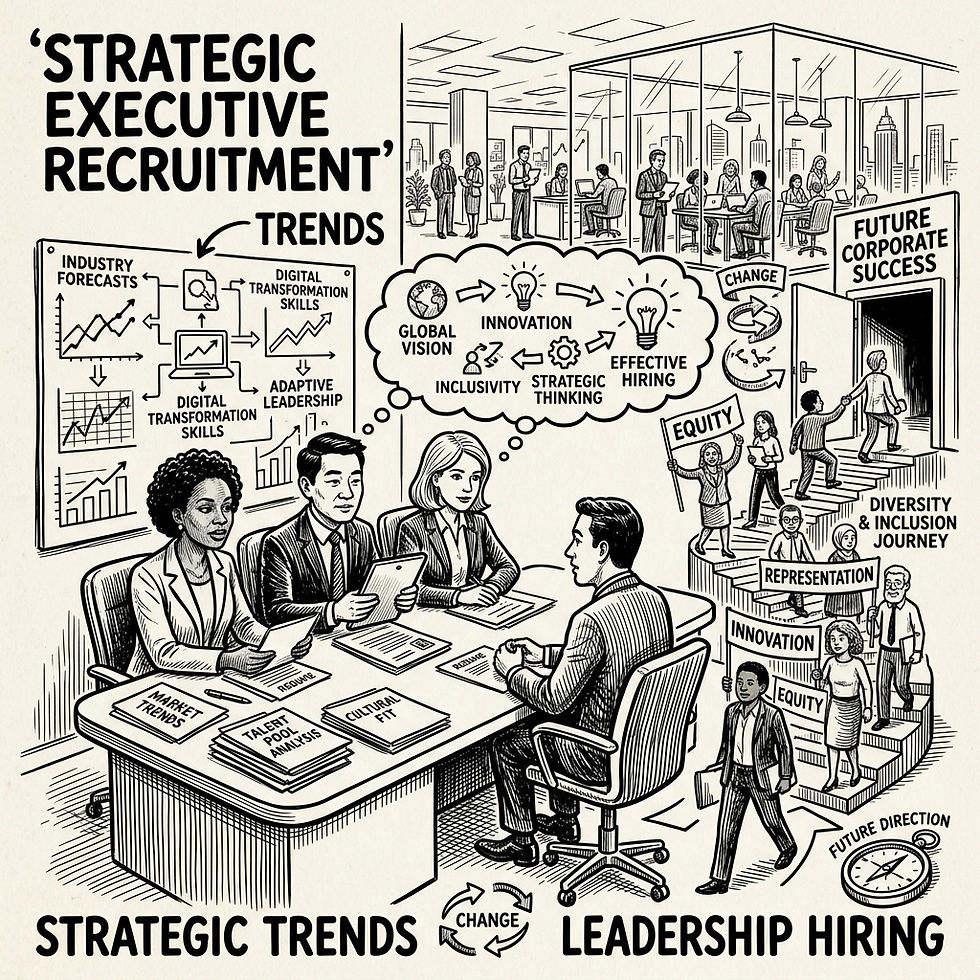
In today’s dynamic business environment, sourcing top-tier leaders through effective executive recruitment strategies is more critical than ever. Companies striving for sustainable growth must stay ahead of leadership hiring trends, embrace inclusive leadership recruitment, and build a robust executive talent pipeline. Diversity in executive search has become a top priority for organizations seeking innovative perspectives and resilience. Top executive recruitment firms are increasingly integrating diversity and equity goals into their search criteria, helping companies hire diverse executives who reflect the markets they serve. This focus not only boosts company reputation but also drives better business outcomes. Senior leadership talent acquisition is not without its challenges. C-suite recruitment demands deep industry knowledge, advanced executive headhunting techniques, and strategic executive placement skills. Employers must partner with specialized search firms to mitigate mis-hires—one of the most costly executive hiring mistakes to avoid. A poor fit at the top can derail leadership succession planning and hinder corporate leadership growth for years. One essential element in the hiring process is inclusive leadership recruitment. Organizations must create an unbiased interview process, utilize diverse interview panels, and remove systemic barriers. Leveraging analytics and structured assessments can enhance objectivity and help identify high-potential leaders from a wide array of backgrounds. Executive onboarding best practices are equally vital. Integration goes beyond standard HR orientation; it should include mentorship, stakeholder introductions, and frequent check-ins to ensure new leaders are set up for long-term impact. Proper onboarding minimizes turnover risk and accelerates executive performance. Building an enduring executive talent pipeline requires proactive planning and engagement. Leadership succession planning should not be reactive. Instead, organizations must regularly assess internal talent, identify skill gaps, and provide targeted development opportunities. Engaging with promising executives before leadership vacancies arise ensures a seamless transition and continued organizational momentum. In summary, the shifting landscape of executive recruitment compels companies to refine their approaches, embrace diversity, and prioritize long-term leadership success. By adopting innovative executive headhunting techniques, avoiding common hiring pitfalls, and investing in onboarding and succession, organizations can secure the visionary leaders they need to thrive in today’s competitive world.


Comments